


Stand Gema is a wholesale distributor of eye care products in Greece. Since 2003, the company has represented internationally recognized suppliers, offering contact lenses, color lenses, cleaning solutions and eyewear through a network of partner optical stores.
Learn more about us
Toric contact lenses are designed to correct astigmatism. Selection is based not only on sphere power, but also on the cylinder and axis values in the prescription. Correct fitting and lens stability are important for clear, consistent vision. Selection should be made by an eye care professional. Astigmatism relates to the way the cornea or the lens inside the eye bends light and can make vision blurred or distorted at both near and far distances. Toric contact lenses have different powers in specific meridians and include cylinder and axis parameters. For the correction to remain clear, the lens needs to maintain a predictable orientation on the eye. A toric lens may rotate slightly with a blink and then return to position. The practitioner evaluates this behaviour after the lens has settled and compensates for rotation when necessary. Vision that alternates between clear and blurred does not automatically mean a stronger power is needed; it may be related to rotation, movement, the tear film or the geometry of that particular lens. Sphere corrects myopia or hyperopia, while cylinder and axis describe the astigmatic correction. Diameter, base curve and stabilisation design affect fitting. Available values differ by product, so a spectacle prescription is not enough for a safe choice. The parameters must be converted when appropriate, a trial lens placed on the eye and visual acuity checked after the lens reaches a stable position. Daily toric lenses provide a fresh pair for each wear and a simple routine when the required parameters are available. Monthly lenses offer broad choices in many ranges but require cleaning and disinfection. High cylinders, unusual axes or challenging fittings may need a custom design. The decision considers prescription, wearing frequency, comfort and the level of visual detail required for work, study or driving. During the first days, notice vision under different conditions: screens, distance tasks, low light and movement. Record when blur appears and whether blinking changes it. Do not alter cylinder or axis on your own and do not persist with a lens that causes continuing discomfort. A scheduled follow-up allows the practitioner to compare your experience with the observed position and movement of the lens. Contact lenses are medical devices and require an individual professional fitting. Wash and dry your hands thoroughly before touching a lens, follow its replacement schedule and use only the care solution recommended for that material. Never rinse or store lenses in water, never top up old solution in the case and remove lenses before showering, swimming or using a hot tub. If you experience pain, marked redness, light sensitivity, discharge or a sudden change in vision, remove the lenses and contact an eye-care professional promptly. Stand Gema toric lenses are supplied through partner optical stores. Bring a current prescription and, if you already wear lenses, the packaging showing the exact parameters. Describe wearing hours, occupation, driving and any allergies or dryness. This complete picture supports a suitable product choice and avoids the mistaken assumption that all toric lenses carrying the same powers are interchangeable. A toric lens uses a stabilisation design so the cylinder and axis remain correctly positioned. The practitioner observes rotation after blinking and checks vision after the lens settles. If clarity repeatedly comes and goes, do not change the axis or power yourself; fitting, tear film and lens design should be assessed. At follow-up, explain when the variation appears, such as while driving, using a screen or late in the day. These details help distinguish a stability issue from dryness or an outdated prescription and guide a more suitable trial. They are lenses designed to correct astigmatism and remain correctly oriented on the eye. Cylinder indicates the amount of astigmatism correction, while axis describes the orientation of that correction. The correct lens type depends on your prescription and professional assessment. Do not switch lens type without guidance. Availability of daily or reusable options depends on the product and the parameters required by your prescription. They are available through Stand Gema partner optical stores.Astigmatism correction with toric lenses
Toric contact lenses and stable correction
Why fitting affects clarity
Parameters considered during fitting
Daily, monthly and specialist toric options
Adapting the lens to daily life
Safe wear and everyday care
Responsible selection and availability
Toric lens stability and follow-up
Frequently asked questions
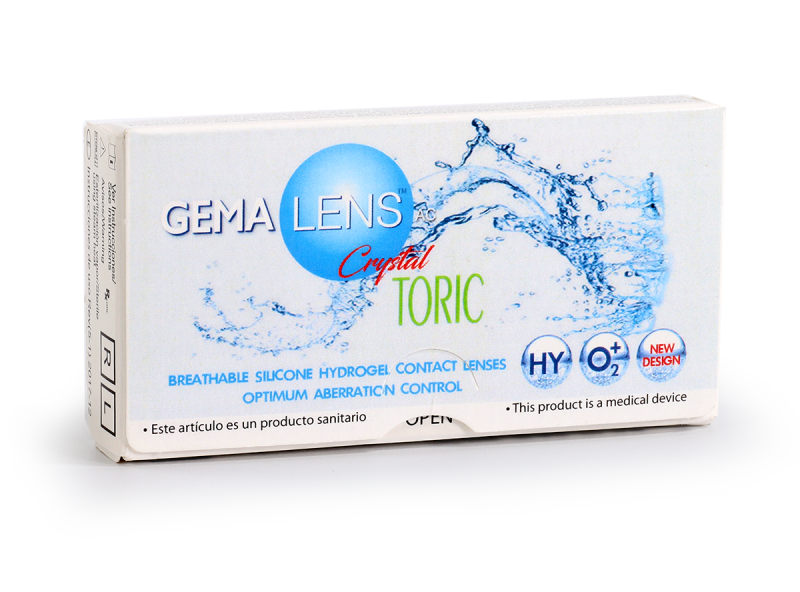
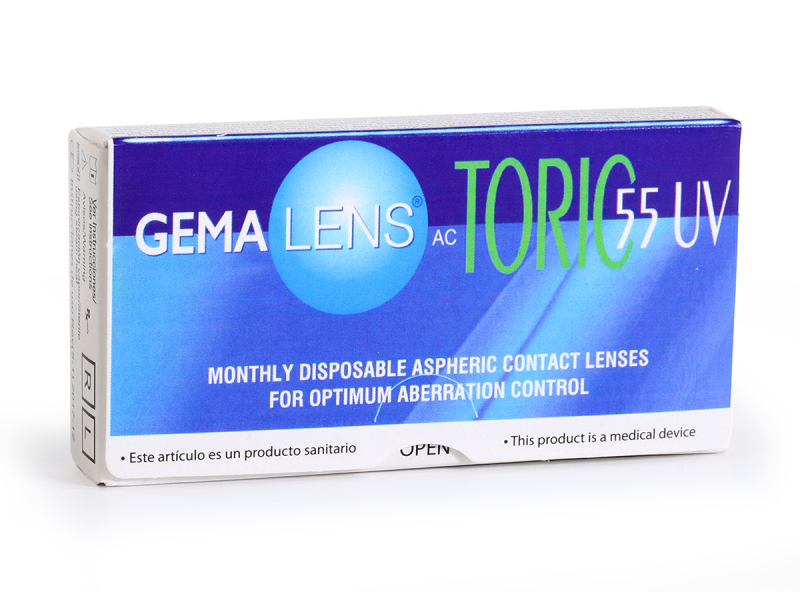
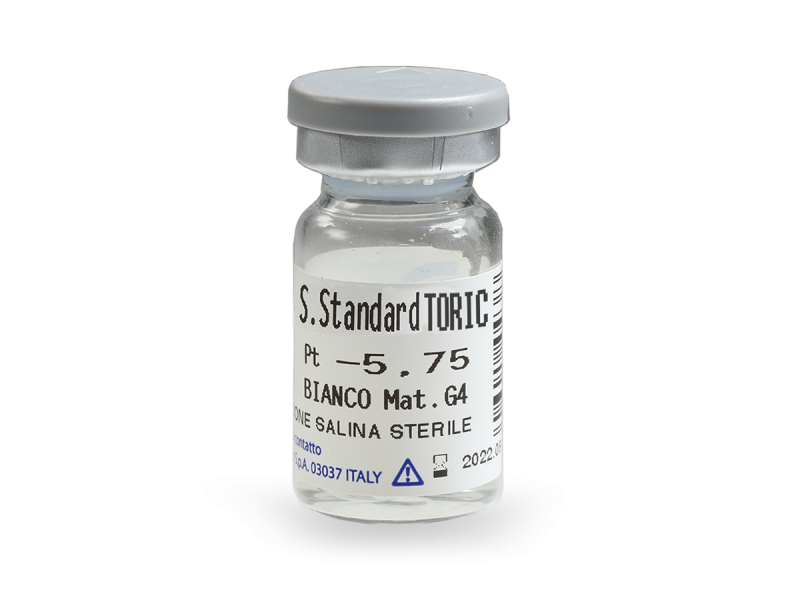
Stand Gema supplies complete contact lens, eye-care and eyewear categories through partner optical stores. The website lets you explore the main choices, read practical guidance and find a nearby partner for professional advice. A suitable purchase involves more than copying powers from an old prescription: it requires a current examination, a fitting assessment and a choice that considers eye health and daily life. Daily lenses are worn once and discarded, providing a simple routine without cleaning. Monthly lenses are reused for the manufacturer’s stated period and need daily cleaning, disinfection and correct case care. Yearly or specialised lenses call for particularly consistent maintenance and scheduled reviews. The replacement period begins as instructed for the product and is not extended simply because the lenses were worn on only a few days. Toric lenses include cylinder and axis parameters for astigmatism. Their stability on the eye influences clarity, so they require a professional trial. Multifocal lenses are designed to support near, intermediate and distance vision and are selected according to addition, eye dominance and real visual priorities. An adaptation period and small refinements after a trial are a normal part of the process. Colour lenses can enhance or change the appearance of the iris, with or without corrective power. They are still medical devices rather than accessories for casual sharing. Never share them with another person or choose them only from a photograph or colour chart. Shade, movement, coverage and visual quality should be assessed during a real fitting by an eye-care professional. Use only a suitable care system for reusable lenses and fill the case with fresh solution for every cycle. Saline does not necessarily replace disinfection, while eye drops must be labelled as compatible with contact lenses. Wash and dry hands thoroughly, keep lenses and their case away from all water, and remove lenses before showering, swimming or entering a hot tub. Do not mask discomfort by extending wear or using random drops. If pain, marked redness, light sensitivity, discharge or sudden blur develops, remove the lenses immediately and seek advice from an eye-care professional. Keep usable spectacles available so that lens wear can stop without disrupting essential tasks. Stand Gema is a wholesale distributor and does not sell directly through the website. Partner optical stores can confirm availability, review your prescription and provide fitting and care advice. Use the store directory or contact Stand Gema for help locating a partner in your area. Bring your current prescription and describe previous lens experience, typical wearing time and any dryness or allergies. The product pages, articles and answers on this website are designed to make common terms and safe habits easier to understand. They cannot diagnose a condition or determine which lens is suitable for a particular eye. Final decisions about prescriptions, materials, replacement schedules and symptoms should always be made with a qualified professional who can perform an examination. Oxygen transmission, water content, wettability and geometry influence how a lens behaves, but no single figure guarantees comfort. Tear film, blinking, allergies, air conditioning and screen time change the experience. A practitioner combines these factors with fitting and recommends realistic wearing hours, breaks and follow-up. Bring a current prescription, the packaging of any lenses you already use and details of your solution or drops. Note typical wearing hours, when dryness appears and which activities reveal difficulty. Accurate context supports a more focused trial and prevents changes based only on a similar product name. Stand Gema offers contact lenses, color lenses, cleaning solutions, eye drops and eyewear through partner optical stores. Products are available through partner optical stores. Use the store list to find the nearest location. Stand Gema operates as a wholesale distributor. For purchases and availability information, contact a partner optical store. Contact lenses should be selected according to your prescription and the guidance of an ophthalmologist or eye care professional. Do not change the lens type or specifications without professional advice. Use the contact form for questions about products, partnerships and points of sale.Contact lenses and eye-care products
Lens options for different replacement schedules
Correcting astigmatism and presbyopia
Professionally fitted colour lenses
Cleaning, drops and daily habits
When prompt assessment is necessary
Find the right point of service
General information, personal decisions
Material, comfort and realistic wearing time
Preparing for an optical-store visit
Frequently Asked Questions
